
“Securing Your Dream Home: Minimizing Risks in the Home Loan Process”
Buying a home is an exciting milestone in life, but it’s important to be aware of the potential risks that come with obtaining a home loan.
To ensure a smooth and financially sound journey toward homeownership, it’s essential to understand the steps you can take to avoid these risks.
In this blog post, we’ll explore the question:
“What can be done to avoid risks involved in taking a home loan?”
Whether you’re a first-time buyer or an experienced homeowner, this guide will provide you with practical strategies to protect your financial interests during the home loan process.
Join us as we embark on this enlightening journey together, empowering you to make informed decisions and protect your financial future in your quest for homeownership.
Let’s pave the way to securing your dream home with ease and confidence.
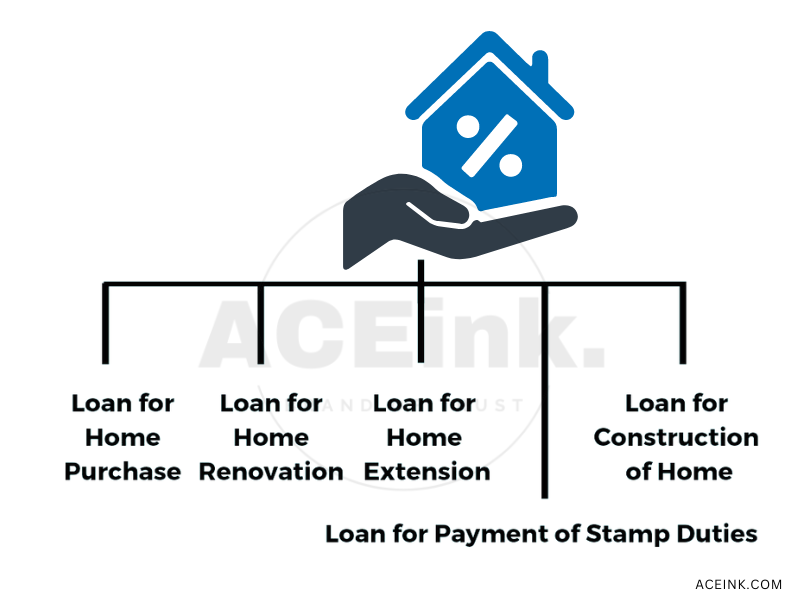
To avoid risks associated with a home loan, there are several steps you can take:
Research and compare lenders
Researching and comparing lenders is an important step in mitigating risks associated with a home loan. Here are some key considerations to keep in mind:
Interest rates:
Compare the interest rates offered by different lenders.
A lower interest rate can save you thousands of rupees over the life of your loan.
Loan terms:
Evaluate the loan terms offered by various lenders.
Consider the length of the loan (typically 15 or 30 years), as well as any special terms or conditions attached to the loan.
Fees and closing costs:
Inquire about the fees and closing costs associated with the loan.
These can include
-origination fees,
-appraisal fees,
-title insurance, and more.
Comparing these costs can help you identify the most cost-effective option.
Reputation and customer service:
Look for lenders with a solid reputation and positive customer reviews.
Research online or ask for recommendations from friends, family, or real estate professionals. Good customer service is crucial, as you want a lender that is responsive and helpful throughout the loan process.
Prequalification and preapproval processes:
Understand the prequalification and preapproval processes of each lender.
Prequalification gives you an estimate of how much you may be able to borrow, while preapproval shows that a lender has reviewed your financial information and is willing to lend you a specific amount.
Additional services:
Some lenders may offer additional services or benefits, such as
-online account management,
-educational resources, or
-financial planning assistance.
Consider whether these extras align with your preferences and needs.
Improve your credit score
A higher credit score can help you secure a better interest rate on your home loan.
Pay off debts strategically:
Develop a plan to pay off your debts systematically.
Consider focusing on high-interest debts first, such as credit cards, while making minimum payments on other accounts.
Paying down your debts demonstrates responsible credit management.
Avoid opening new credit accounts:
Opening multiple new credit accounts within a short period can be seen as a risk.
Each application typically results in a hard inquiry on your credit report, which can temporarily lower your credit score.
Limit new credit applications unless necessary.
Maintain a mix of credit types:
Having a mix of credit accounts, such as credit cards, installment loans, and mortgages, can positively impact your credit score.
However, only open new accounts if you can manage them responsibly.
Keep old accounts open:
Closing old credit accounts can shorten your credit history and reduce the overall available credit, affecting your credit utilization ratio. Unless there are specific reasons to close an account, consider keeping it open to maintain a longer credit history.
-Check your credit reports:
-Pay your bills on time,
-Reduce credit card balance
Improving your credit score takes time and discipline, so be patient and consistent in your efforts. It’s important to establish responsible credit habits and maintain them over the long term.
Save for a larger down payment
A larger down payment reduces the amount you need to borrow and can help you qualify for a better loan with more favorable terms.
Aim to save at least 20% of the home’s purchase price as a down payment to avoid private mortgage insurance (PMI).
Understand the loan terms
Read and understand all the terms and conditions of the loan before signing any documents.
Pay attention to the
-interest rate,
-repayment schedule,
-prepayment penalties, and any other relevant details.
Consider getting pre-approved
Getting pre-approved for a mortgage gives you an idea of how much you can afford and helps you narrow down your home search.
It also demonstrates to sellers that you’re a serious buyer.
Avoid adjustable-rate mortgages (ARMs)
Opt for a fixed-rate mortgage instead of an ARM, especially if you plan to stay in the home for a long time.
Fixed-rate mortgages offer stable monthly payments, while ARMs can have unpredictable rate changes that could significantly increase your payments.
Budget for all costs
Remember that there are other costs associated with homeownership beyond the mortgage payment, such as
-property taxes,
-insurance,
-maintenance, and repairs.
Ensure you have a comprehensive budget that includes these expenses.
Read and review documents carefully
Before signing any loan documents, read them carefully and ask questions about anything you don’t understand.
Seek legal advice if necessary to ensure you’re fully informed and protected.
Have an emergency fund
It’s essential to have an emergency fund set aside to cover unexpected expenses or potential financial difficulties.
This fund can act as a safety net and help you avoid defaulting on your mortgage payments.
Remember, buying a home is a significant financial decision, so take your time, conduct thorough research, and consult with professionals when needed to mitigate the risks associated with a home loan.
Disclaimer: The views and investment tips expressed by investment experts/broking houses/rating agencies are their own and not that of the website or its management. Aceink.com advises users to check with certified experts before taking any investment decisions.