Any trader goes through rough times in the market. A plan that is working suddenly ceases to yield results, trust begins to decline, and emotional stress builds after several failures. This is known as a Trading Drawdown, and it is one of the most difficult periods in a trader’s career.
The majority of novices believe that there are no losing phases in successful traders. The situation is quite the opposite. Experienced traders experience drawdowns as no strategy is effective in every market environment.
The actual distinction lies in how disciplined traders respond during a drawdown. Emotional traders panic, overtrade, and further erode their confidence. Strict traders are analyzers, adaptors, and decision-makers.
Learning to handle a Trading Drawdown is of utmost importance for long-term survival and consistency in trading.
What is Trading Drawdown?
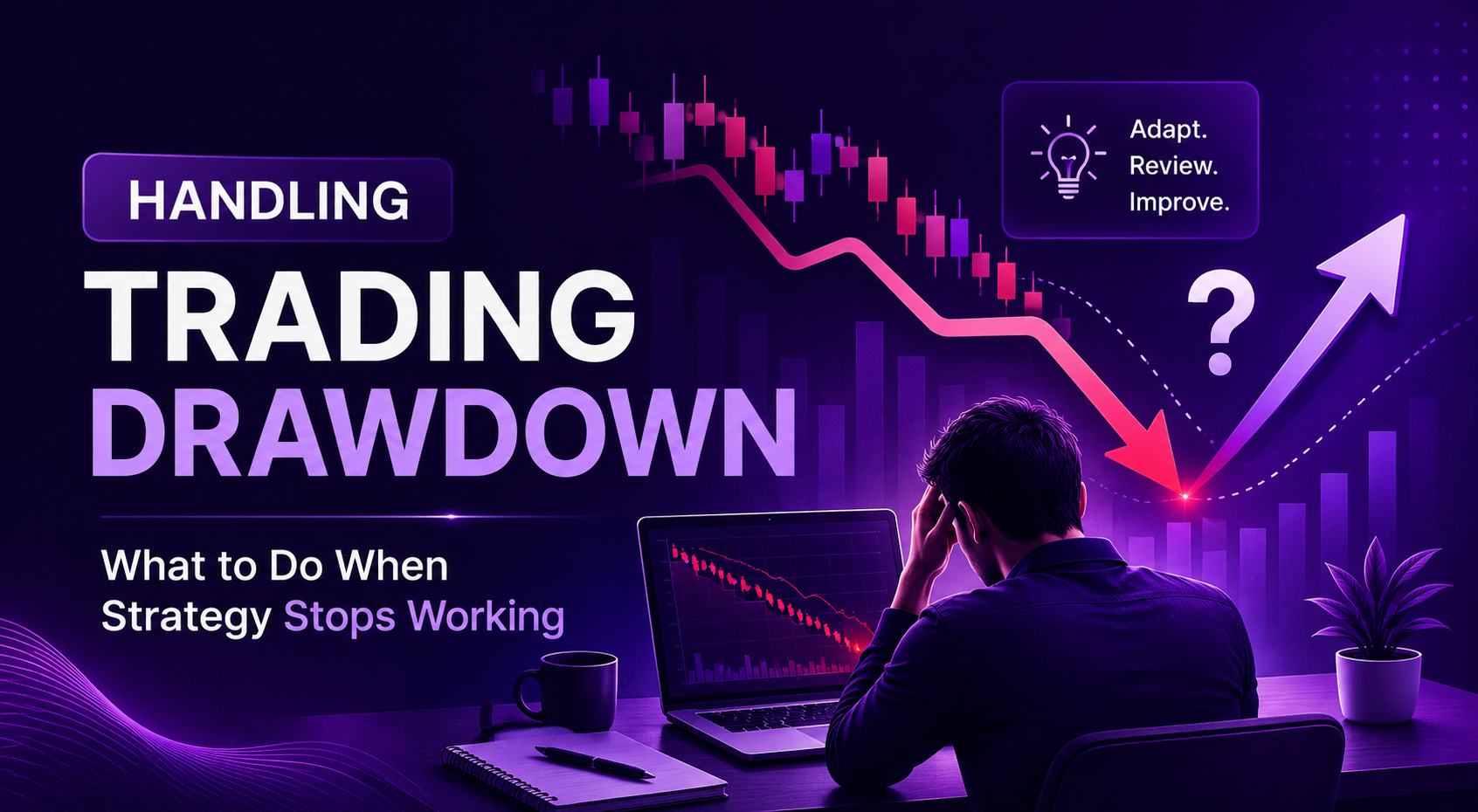
A Trading Drawdown is defined as the reduction in trading capital relative to past high points resulting from a series of losses or poor trading.
To illustrate, when a trader’s account increases from 1 lakh to 1.5 lakh and then decreases to 1.2 lakh, the drop from the highest point is referred to as a drawdown.
Drawdowns are inherent in trading because markets are ever-changing. There are no strategies that will generate profits permanently without having tough times.
Why Trading Strategies Stop Working Temporarily
A drawdown of activities panics many traders, since they think that their plan has been permanently unproductive. As a matter of fact, the market conditions might have just changed in the short term.
Changing Market Conditions
Breakout strategies can work well in trending markets but will fail in flattening markets. Likewise, momentum strategies can falter in low-volatility settings. During losses, several emotional trading errors can occur.
Emotional Trading Mistakes During Losses
One of the biggest reasons drawdowns become worse is emotional decision-making.
After a few losses, traders often:
- Emotionally sized up position
- Take revenge trades
- Ignore stop-loss discipline
- Force unnecessary entries
These emotional trading errors tend to exacerbate the drawdown.
Technical Analysis Mistakes
Traders tend to give up their initial trading process entirely during hard times. The typical errors in technical analysis are:
- Getting into the trades without verification
- Ignoring market structure
- Trading weak setups
- Trading on the emotional side to breakout candles
This minimizes the quality of setup.
Why Losing Streaks Affect Traders Mentally
A long losing streak in trading has a significant impact on confidence, as one becomes frustrated and doubts oneself after incurring losses repeatedly. The wisdom of many a trader starts to ask:
- Their strategy
- Their market understanding
- Their decision-making ability
- Their trading future
This mental stress leads traders to give in to discipline altogether.
Trading Psychology During Drawdowns
During challenging periods in the market, strong trading psychology is critical, as emotional pressure is very high.
Fear After Consecutive Losses
There are several traders who hesitate to make more losses and miss out quality setups due to a lack of confidence, which occurs after making several losses.
Revenge Trading Behavior
Other traders attempt to make fast recovery by aggressive trading, which normally induce bigger errors and greater losses.
Overtrading Losses Increase Further Damage
When traders experience emotional drawdowns, they tend to embark on a mission to make unnecessary trades without proper confirmation.
The unnecessary damage that such overtrading losses cause is typically very high, since the quality of decision-making is significantly degraded.
What to Do During a Trading Drawdown
Proper management of drawdowns entails control, patience, and analytical thinking rather than emotional response.
Reduce Position Size Immediately
Unless there is a major reversal in the Trading Drawdown, one of the clever things to do is to downsize the trade temporarily.
Less risk exposure assists traders:
- Reduce emotional pressure
- Protect trading capital
- Improve decision-making clarity
- Avoid panic-based trading
This makes the recovery process more stable.
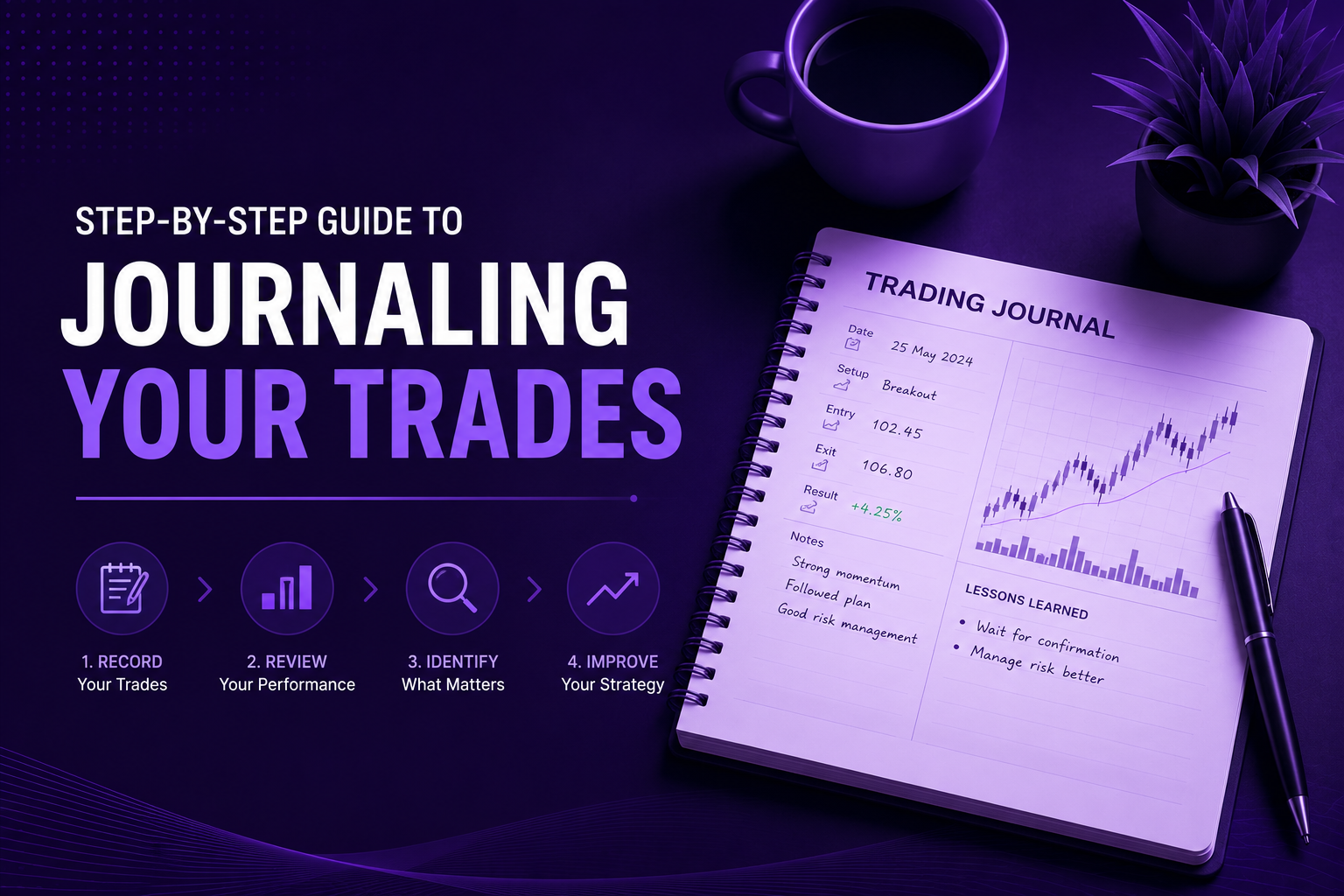
Review Your Trading Journal Carefully
Traders should not make emotional accusations of the market, but they should objectively analyze recent trades.
Review:
- Entry quality
- Stop-loss placement
- Risk management execution
- Emotional decision-making
- Set up a selection discipline
This will determine whether it is a strategy or execution problem.
Focus on Trading Discipline Instead of Profits
When the times are tough, making money fast should not be the focus, rather, restoring process discipline should be.
Good discipline in trading implies:
- Strict adherence to rules of setup
- Respecting stop-losses
- Avoiding revenge trades
- Waiting to have good arrangements
Discipline is what will bring about consistency, and not emotional recovery.
Understand That Drawdowns Are Normal
Many traders think that a drawdown is a failure. As a matter of fact, every professional trader goes through hard times.
The market is dynamic and is acting out of course in the short term. Knowledge of this helps merchants keep their emotions in check.
Avoid Strategy Hopping
Repeatedly switching strategies after a couple of losses is one of the biggest errors traders make when they hit a Trading Drawdown.
This is confusing, since traders do not give any system a chance to prove itself across various market conditions.
Improve Risk Management in Trading
Effective risk management in trades is even more critical in losing periods. Serious traders are concerned with:
- Controlled position sizing
- Risk-reward balance
- Capital protection
- Emotional stability
This helps prevent small drawdowns from becoming disastrous.
Focus on Trading Recovery Gradually
The process of trading recovery is slow and disciplined, not a violent emotional execution. They should continue to focus on:
- High-quality setups
- Controlled risk
- Better emotional management
- Consistent execution
Slow growth adds greater stability in the long run.
Why Stock Market Learning Never Stops
Each setback is a valuable lesson on how to act and how not to act in the market, and how to adapt to changing strategies. This is why even experienced traders should continue learning in the stock market.
Industrious merchants never cease to get better:
- Technical analysis understanding
- Trading psychology
- Market adaptability
- Risk management skills
This is an ongoing learning process that enhances trading consistency in the long run.
How Aceink Helps Traders Improve Trading Consistency
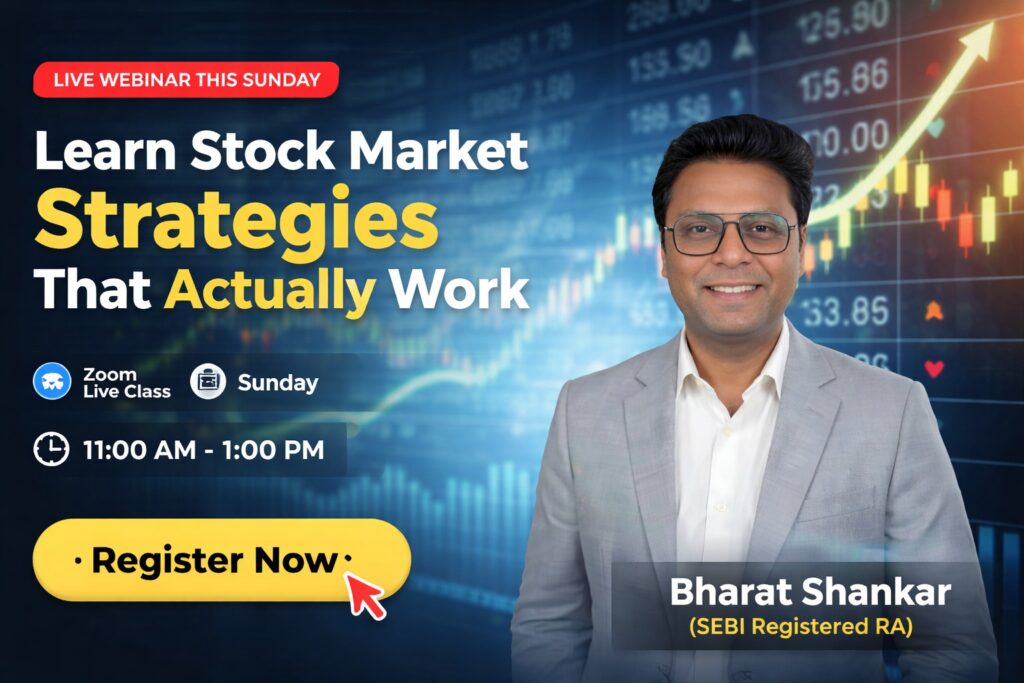
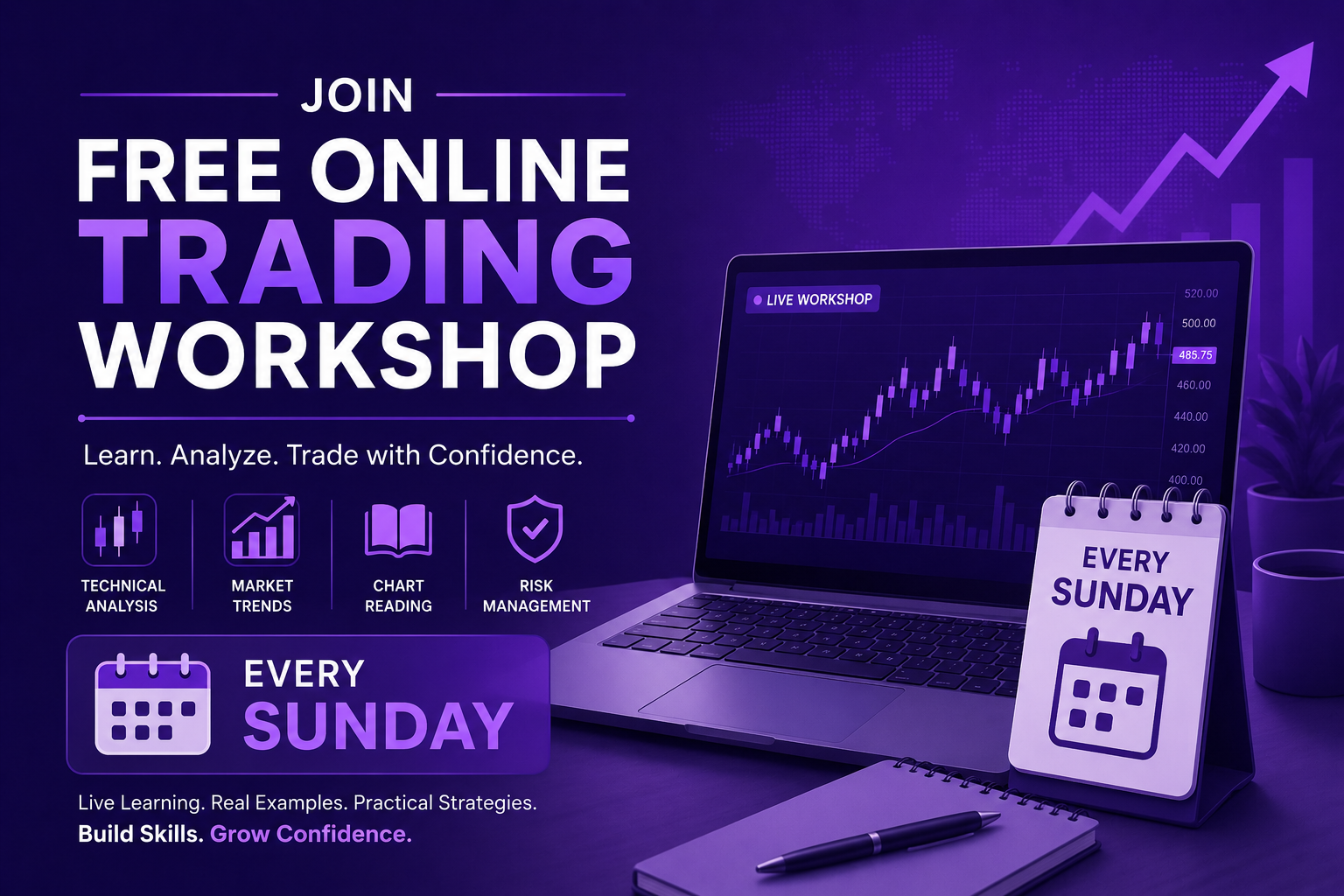
Aceink Free Sunday Webinar puts significant emphasis on real-life trading discipline, risk management and emotional understanding of the market rather than unrealistic trading expectations.
Conducted by SEBI-registered Stock Market Analyst Bharath Shankar, the courses will enable the traders to learn:
- What to do when you are on a losing streak
- How to improve trading psychology
- Discipline of traders in the face of drawdowns
- The impact of technical analysis errors on performance
- Gradual improvement of consistency
This is a practical solution to help traders develop healthier trading habits and emotional discipline.
Why Trading Discipline Matters More During Drawdowns
Anybody could be assured when the times are good. The actual trading maturity comes out in challenging times.
Survivors of drawdowns tend to concentrate on:
- Patience
- Emotional control
- Risk management
- Process discipline
- Long-term improvement
This attitude will distinguish emotional traders and serious market players.
Conclusion
The occurrence of a Trading Drawdown does not mean that trading cannot occur. It is a normal stage that every trader goes through at some stage. The actual threat consists of emotional responses, revenge trading, inadequate risk management, and giving up on discipline altogether.
Dealing with drawdowns in the most effective way requires patience, systematic research, disciplined risk management, and enhanced trading psychology. Most long-term consistency is generally established by more process-oriented traders who are not concerned with emotional recovery.
The Sunday webinar by Aceink, under the guidance of SEBI-registered Stock Market Analyst Bharath Shankar, helps traders enhance trading psychology, risk management, technical analysis knowledge, and disciplined market behavior through practical stock market education aimed at long-term trading consistency.