Trading seems easy when you watch from afar. Spot a chance, get into the position, and take your profits. Yet people who have actually traded for a while understand that the charts and signals are only part of it. The toughest fight usually takes place inside your own head.
Fear, greed, impatience, and frustration shape choices far more than traders tend to admit. That explains why Emotions in Trading rank among the top causes of inconsistent results. A solid plan can still fall apart if feelings start running the show during execution.
The truth stands clear: if you cannot manage your thoughts, you cannot manage your trades. Learning to handle Emotions in Trading ranks as a key ability needed for lasting progress.
Why Emotions Matter So Much in Trading
Trading comes with constant unknowns. Each position holds some danger, and every call touches your money. Such conditions naturally build up emotional strain.
Most jobs link hard work straight to outcomes, but markets do not operate that way. You might stick to solid steps and still end up with losses. This gap between actions and rewards makes Emotions in Trading hard to handle.
For that reason, keeping emotions in check counts as necessary. It forms an actual piece of the entire trading routine.
Common Emotions in Trading That Affect Decisions
Before you work on handling feelings, first spot what they look like and when they appear.
Fear
Fear ranks among the frequent triggers that hit traders.
It tends to show up in two main ways:
- Fear of entering a trade
- Fear of losing profits
This commonly causes delays or closing positions too soon.
Fear messes with clear thinking and hurts your belief in your own approach.
Greed
Greed drives traders to stay too long in winning trades or chase extra danger.
Rather than sticking to planned targets, greed leads people to demand bigger profits from a single chance.
This counts as one of the most damaging negative Emotions in Trading since it breaks down rules.
Revenge Trading
After taking a hit, lots of traders want to get the money back right away.
Such a reaction pushes rushed entries and low-standard chances.
Revenge trading seldom relies on clear thinking.
Overconfidence
A string of successful trades can build too much confidence.
This frequently results in:
- Bigger position sizes
- Ignoring risk management
- Taking weak setups
Overconfidence can quickly break consistent performance.
Why Emotions Become Stronger in Trading
Knowing the reasons makes it easier to handle the results.
Real Money Creates Real Pressure
Putting your personal funds on the line naturally ramps up emotional responses.
Worrying about losses and feeling thrilled by profits pushes feelings to high levels.
Lack of Planning Creates Anxiety
Jumping into trades without a solid plan adds more doubt.
With no set entry, stop-loss, or target in place, feelings step in and direct actions.
Unrealistic Expectations Create Frustration
A large number of traders look for quick money.
When actual results differ from what they hoped for, the emotional strain grows.
How to Control Emotions in Trading
Controlling emotions does not require getting rid of them. It involves directing them so they stop directing your choices.
Build a Clear Trading Plan
A trading plan cuts down on choices driven by feelings because it sets up clear steps.
Your plan needs to cover:
- Entry rules
- Exit rules
- Stop-loss
- Risk per trade
Clear rules make choices simpler to handle.
This approach stands as one of the strongest methods to manage Emotions in Trading.
Focus on Process, Not Results
Lots of traders get worked up because they watch single trade results too closely.
A smarter way centers on the process instead.
Ask yourself:
- Did I follow my plan?
- Did I manage risk properly?
- Did I take a quality setup?
This way of thinking eases emotional strain.
Accept Losses as Part of Trading
Losses belong in every market. No method wins every single time.
Facing this fact lowers pushback from feelings.
The aim stays away from avoiding losses.
The aim centers on handling them well.
Use Proper Risk Management
Risk management guards your capital and lowers emotional strain.
Risking heavy amounts on any single trade makes feelings grow stronger.
Holding risk at controlled levels leads to calmer choices.
Avoid Overtrading
Overtrading usually stems from impulses tied to boredom, greed, or upset feelings.
Not every situation in the market gives a real chance.
Waiting for the right moment forms part of staying disciplined.
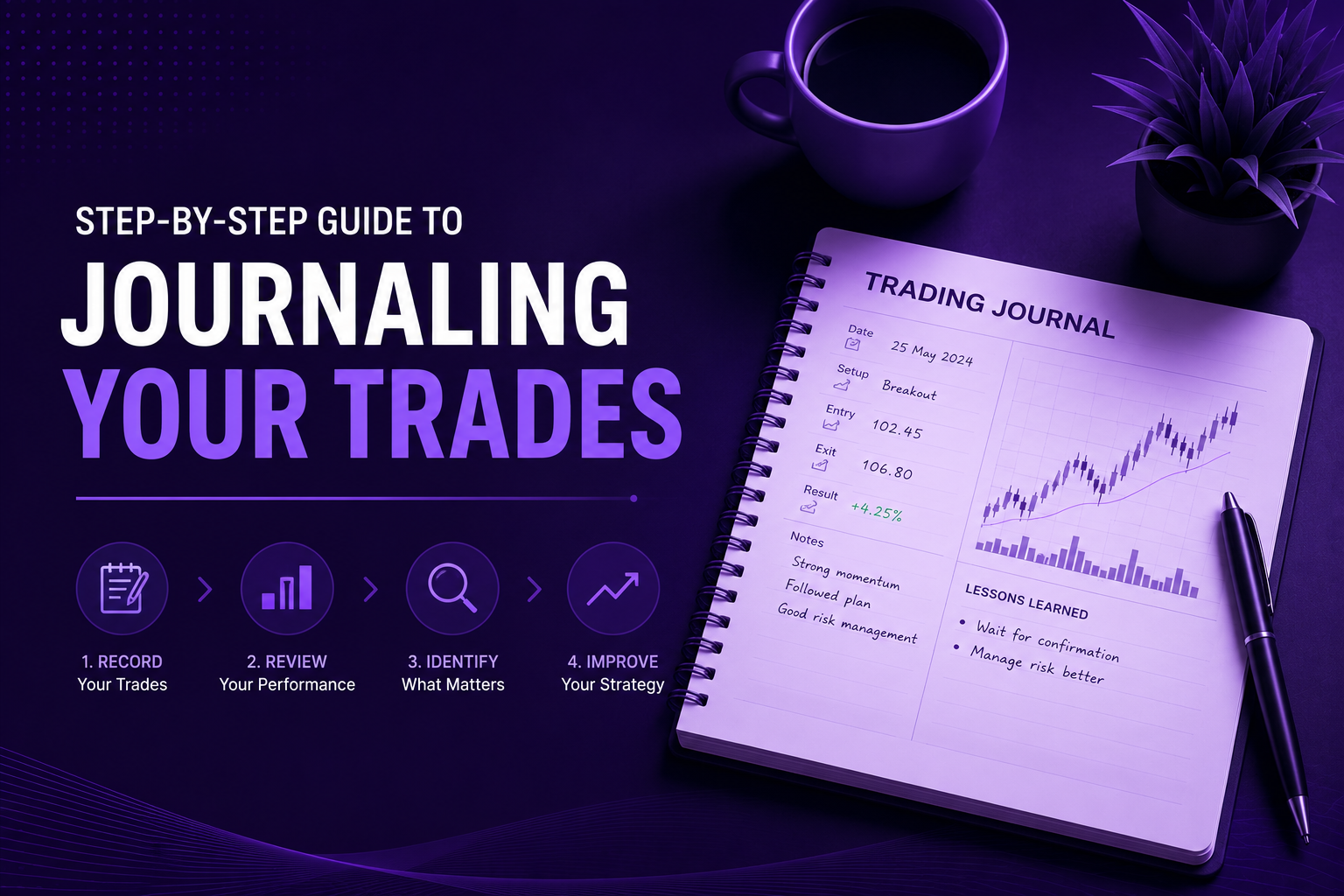
Maintain a Trading Journal
A journal lets you spot repeating emotional habits.
Track:
- Why you entered
- How you felt
- Whether you followed the plan
As time passes, this builds stronger awareness of your feelings.
Take Breaks After Big Wins or Losses
Powerful feelings can influence the trade that comes next.
- After a large gain, extra confidence may show up.
- After a loss, upset feelings may take charge.
Stepping away briefly lets your mind settle down.
Create Realistic Expectations
Trading involves never-ending skill development.
Consistent results need time to appear.
Realistic goals cut emotional strain in a major way.
The Link Between Discipline and Emotions
Discipline serves as the shield against choices based on feelings.
Solid discipline lets you:
- Follow your plan
- Control risk
- Stay patient
- Avoid impulsive trades
This connection explains why discipline and Emotions in Trading stay closely tied together.
How Beginners Can Improve Emotional Control Faster
New traders can make quicker profits by keeping everything basic.
- Trade fewer setups
- Follow one strategy
- Reduce unnecessary risk
- Focus on learning first
This approach simplifies managing Emotions in Trading because the steps stay straightforward.
Why Emotional Control is Important in Stock Market Learning
Knowledge about charts lets you read the market. Emotional control lets you act on what you see.
Without disciplined emotional habits, solid strategies are hard to apply.
That explains why grasping Emotions in Trading forms a practical piece of Stock Market Learning.
Why Choose Aceink for Free Stock Market Workshop and Become an Expert?
Aceink stands as a top Stock recommendation company guided by SEBI-registered stock market analyst Bharath Shankar. It supports traders in grasping market psychology, discipline, strategy execution, and emotional control via hands-on stock market education and organized lessons.
Learn Practical Trading Discipline
See the ways experienced traders handle emotional strain during actual market hours.
Build Better Decision-Making
Aceink supports traders in raising the standard of their trades by centering on process and organized actions.
Understand Market Psychology Clearly
Study the ways feelings shape trading behavior and steps to gain firmer command.
Learn from SEBI Registered Stock Market Analyst
Gain real-world market insights from Bharath Shankar inside well-organized trading lessons.
Free Stock Market Learning Opportunity
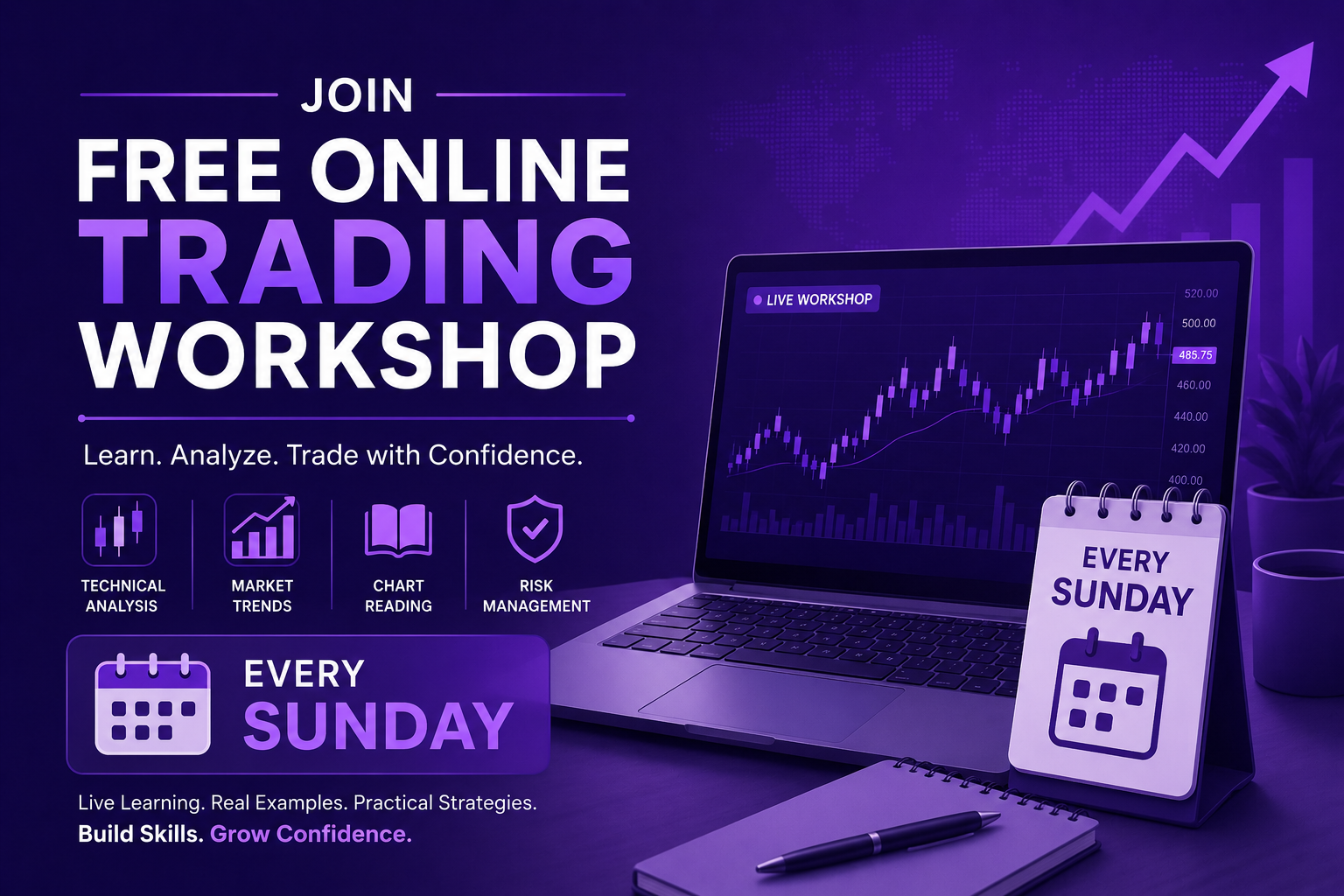
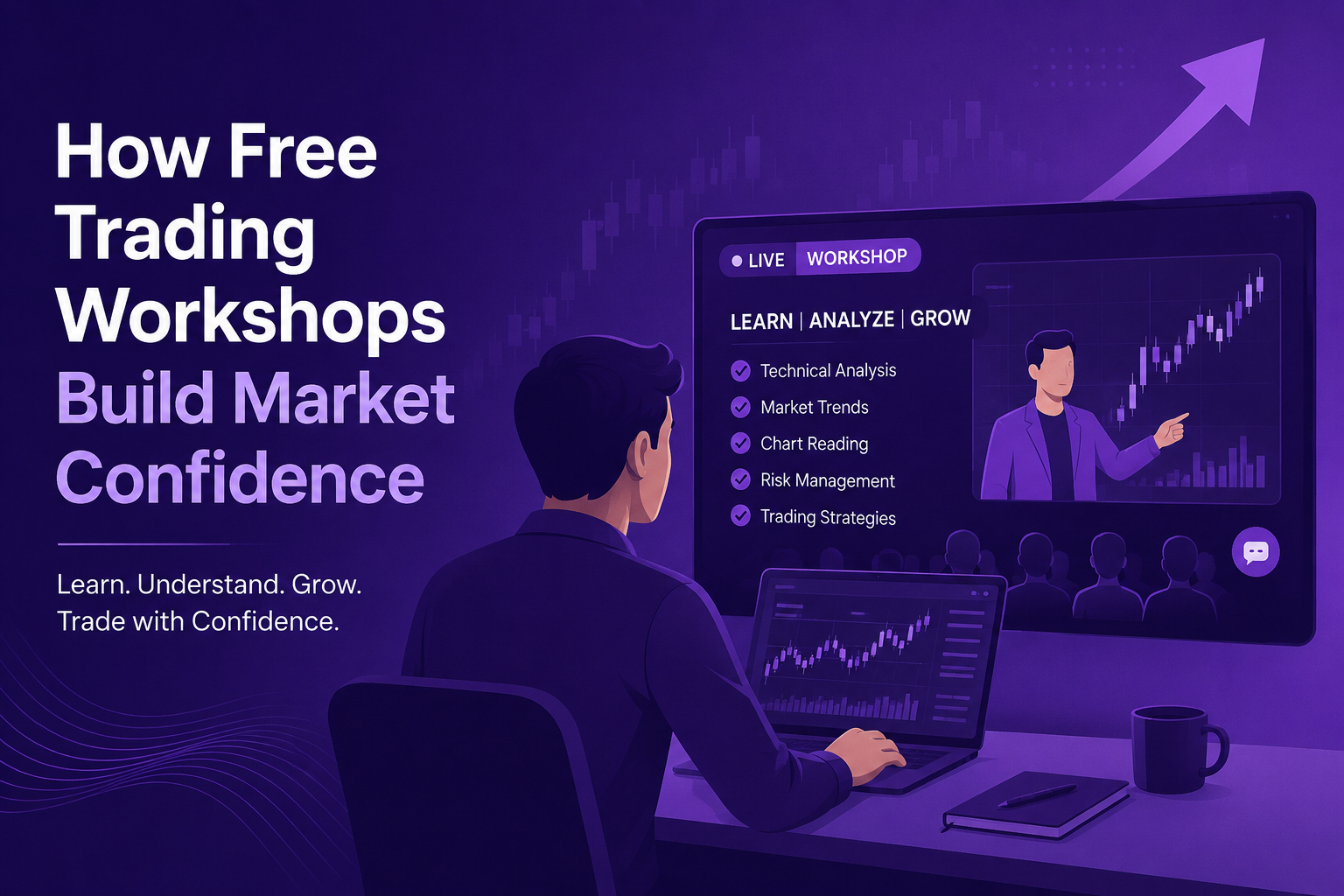
Aceink’s Free Stock Market Webinar lets traders explore proven trading strategies, discipline, and emotional control using direct market examples.
Conclusion
Managing Emotions in Trading counts among the main elements that support consistent results over time. Markets keep challenging your patience, discipline, and choices.
The traders who last do not always hold the highest intelligence. They usually show the strongest discipline.
Aceink supports traders in developing this discipline with its Free Stock Market Webinar. There, strategy, market psychology, and organized execution receive clear and practical explanations. Solid trading begins with control over emotions.