
Most traders put too much effort into hunting for the next big stock pick and almost none into checking one basic question. Does this setup actually look solid?
That mistake is the root of many trading problems. Random entries, trades driven by feelings, and extra losses usually occur when people chase action instead of real odds.
The stock market pays off for quality more than for how many trades you make. Someone who takes just two solid setups can end up doing much better than a trader who jumps into ten weak ones. This is exactly why learning to spot high probability trades stands out as a key skill for anyone in the markets.
A high probability trade does not promise success every time. It means you have lined up several good reasons so the trade gains better form, sharper entry timing, and tighter control over the risk involved.
What is a High Probability Trade?
A high probability trade is a setup in which a number of key elements come together and raise the chances of a positive result.
This never guarantees the trade will succeed. Every trade carries uncertainty. Still, when several signs back up the same idea, the chances get noticeably better.
Take a stock that stays in a clear uptrend, pulls back to a support area, shows positive price behavior, and matches rising volume. That combination builds a much stronger case than jumping in after seeing just one clue.
Traders should keep their attention on raising the overall quality of every trade they consider.
Why High Probability Trades Matter
Trading comes down to working with probabilities instead of trying to predict the future.
The aim is not winning all your trades. The real target is choosing trades where the balance of odds sits on your side across many attempts.
High probability setups bring more consistent results for traders since they cut down on guesswork and strengthen self-control.
They also build greater confidence because the whole process for deciding gets clearer and follows a logical order.
Key Factors That Create High Probability Trades
A solid setup almost never rests on a single clue. High probability trades grow from several elements working together.
Trend Alignment
Trend acts as one of the best filters available to traders.
When you take positions that follow the main trend, you move with the market’s primary direction. This step raises your chances on its own.
Buying chances look better inside an uptrend. Selling chances look cleaner inside a downtrend.
Going against the trend usually adds extra trouble that you can avoid.
Support and Resistance Zones
Clear support and resistance areas give real structure to price movements.
These spots mark places where price turned in the past and where buyers or sellers tend to show up again.
A trade placed close to these zones offers improved timing and easier decisions on where to place stops compared with entries made at random spots.
Price Action Confirmation
Price action reveals whether the market is truly reacting at your chosen area.
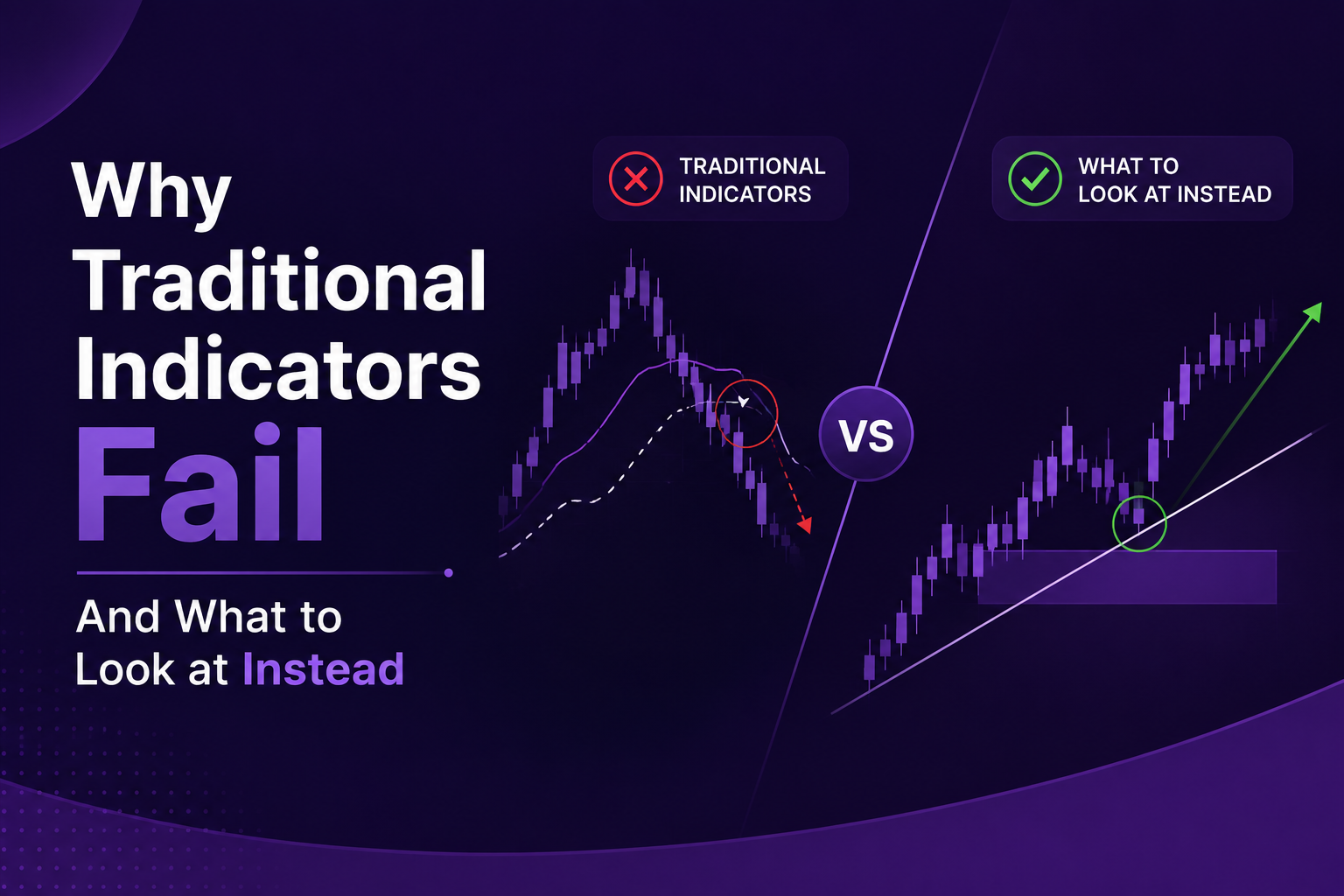
Examples like bullish engulfing patterns, strong rejection wicks, or powerful breakout candles often point to real intent from buyers or sellers.
A level alone stays just a level until price shows clear reaction. That reaction brings added power to the entire setup.
Volume Participation
Volume reveals how much force stands behind any price shift.
A breakout backed by heavy volume or a reversal with visible buyer or seller activity tends to hold higher odds because it reflects real market commitment.
Moves that happen on thin volume tend to break down more often.
Risk-Reward Ratio
Any worthwhile trade setup also needs to pass a basic risk test.
When the possible gain looks too small next to the risk you take, the setup may not justify entry even if other parts look good.
Professional traders always check this ratio before they commit to a position.
Step-by-Step Process to Find High Probability Trades
Following an organized method cuts emotional choices and supports more consistent performance.
Identify the Overall Market Trend
Begin every analysis by looking at the larger market direction first. Check whether the stock moves mainly higher, lower, or stays flat without clear direction. This step sets your main bias for the trade.
Mark Important Levels
Locate the major support and resistance zones on the chart. These levels point out the spots where real trading chances may appear.
Wait for Price to Reach the Zone
Waiting matters a lot in this work. Avoid running after price. Give the market time to reach the area you have already marked.
Look for Confirmation
After price arrives at your level, watch its behavior closely. Search for definite signs of strength or clear rejection before you decide to enter.
Plan Your Risk
Before you open any position, set these points clearly:
- Entry
- Stop-loss
- Target
This approach keeps the trade organized and under control from the start.
Real Example of a High Probability Trade
Picture a stock that holds a steady uptrend and keeps printing higher highs along with higher lows.
Price comes back to a key support level that also sits near the 20 EMA. Right at that support, a bullish engulfing candle appears together with higher than normal volume.
The setup now carries several supporting clues:
- Trend alignment
- Strong support
- Moving average confluence
- Bullish price action
- Volume participation
This counts as a high probability trade since multiple pieces line up at the same time.
Common Mistakes Traders Make
Traders often lower their own success odds by making simple but repeated errors.
Taking Trades Without Structure
Jumping in without first checking trend and support levels leads to setups that lack real strength.
Ignoring Confirmation
Entering positions too soon before price shows any reaction at the level raises the chance the trade will fail.
Chasing Extended Moves
Buying right after a big upward run or selling right after a sharp drop usually results in weak entry points.
Overtrading
Opening too many average trades spreads attention thin and creates more pressure from emotions.
How to Improve Trade Selection
Raising the quality of trades you take often works better than simply doing more trades.
Keep these ideas in mind:
- Take fewer but stronger setups
- Stay patient when waiting for entries
- Look for multiple factors lining up instead of single signals
- Stick to one clear process every time
- Go back and study your earlier trades on a regular basis
Doing this over months builds stronger discipline and sharper choices when it counts.
Why High Probability Trading is Important in Stock Market Learning
Learning to pick out strong setups moves traders away from scattered decisions toward clear and planned thinking.
It develops patience, clear judgment, and smarter handling of risk. All three matter a great deal for staying consistent over the long run.
This skill forms a practical piece inside real stock market learning.
Why Choose Aceink for Free Stock Market Workshop and Become Expert?
Aceink stands as a leading stock recommendation firm guided by SEBI Registered Stock Market Analyst Bharath Shankar. The company supports traders in grasping market structure, smart trade selection, and steady execution by offering hands-on stock market education and well-organized learning paths.
Learn How to Identify Quality Trade Setups
Get insight into the way experienced traders sort through chances and stay away from weak opportunities.
Build Strong Market Understanding
Study trend direction, support and resistance, plus price action using clear and organized methods that match real trading.
Improve Trade Selection Discipline
Aceink guides traders to put quality ahead of quantity so their choices become sharper over time.
Learn from SEBI Registered Stock Market Analyst
Receive direct and useful advice from Bharath Shankar and see exactly how traders who stay disciplined handle the markets.
Free Stock Market Learning Opportunity
Aceink runs a Free Stock Market Webinar that teaches participants ways to spot high probability setups and develop greater consistency in their results.
Conclusion
High probability trading does not search for flawless trades. It centers on selecting better trades that show solid alignment and clean structure.
When you bring trend direction, support zones, price action, and risk management together in one view, your choices start to flow more naturally.
Aceink supports traders in developing this skill set through its Free Stock Market Webinar. The sessions cover real market behavior, organized ways to pick trades, and steady execution explained with genuine market insight. Consistency starts when you get better at choosing your trades.