
Most new traders lose months trying to master technical analysis since they use the wrong method. They switch between random YouTube clips, pick up assorted indicators, and switch strategies every few days without grasping how markets really operate.
The outcome brings confusion, irritation, and too much scattered information. Rather than gaining a clear understanding, they simply memorize tools without reading price action.
The fact is straightforward: to learn technical analysis properly, you need an organized plan, hands-on chart study, and steady direction. Technical analysis stays straightforward once you approach it right. The main issue comes when traders pick it up in a random, disorganized manner.
This guide shows you the smartest path to learn technical analysis and skip unnecessary confusion.
What is Technical Analysis?
Technical analysis means studying price charts, market patterns, momentum, and how traders act to figure out where the market might head next.
Rather than relying just on news or views, technical analysis lets traders examine:
- Price movement
- Trends
- Support and resistance
- Volume behavior
- Momentum shifts
The purpose is to make better choices by reading charts and understanding market layout.
Why Most People Fail to Learn Technical Analysis Properly
Many beginners run into problems because they chase quick fixes instead of creating solid basics.
Common mistakes include:
- Studying too many indicators at once
- Viewing random trading clips every day
- Overlooking market structure
- Entering trades without knowing the trend
- Relying fully on tips and signals
This leads to mixed-up thinking instead of clear insight.
To really learn technical analysis, you must follow a clear step-by-step method instead of grabbing information at random.
Best Way to Learn Technical Analysis Without Wasting Time
Technical analysis gets much simpler when you follow the right order.
Start with Market Structure First
Before you touch indicators, get familiar with how the market actually shifts.
Study ideas such as:
- Uptrend
- Downtrend
- Sideways market
- Higher highs and lower lows
This builds the base you need for proper chart study.
Many beginners head straight to indicators without learning trend patterns, and that causes issues down the line.
Learn Support and Resistance Properly
Support and resistance rank among the key ideas in technical analysis.
These areas let traders spot:
- Possible entry zones
- Reversal areas
- Breakout opportunities
- Risk placement
A solid grasp of support and resistance boosts your ability to read charts with real confidence.
Focus on Price Action Before Indicators
Price action shows you exactly how buyers and sellers interact in the market.
Before you add complex indicators, study:
- Candlestick behavior
- Rejection candles
- Momentum candles
- Consolidation patterns
This method lets traders see market psychology straight from the chart itself.
Learn Indicators One by One
Many traders add loads of indicators at the same time. That creates mess and mixed signals.
Instead, work on one indicator at a time. Begin with:
- RSI
- MACD
- Moving averages
- Volume analysis
The aim is not to memorize every tool. The aim is to see how they back up your overall market reading.
Practice Chart Reading Daily
Technical analysis grows stronger with regular watching and practice.
Set aside time each day to review charts and watch how price behaves near key levels.
This daily work helps traders:
- Improve pattern recognition
- Understand trend behavior
- Identify stronger setups
- Build confidence gradually
Steady practice stands as one of the quickest routes to learn technical analysis well.
Learn Through Real Market Examples
Book knowledge by itself falls short.
Many traders get the ideas on paper but stumble when they try them in actual trading. That explains why hands-on examples matter so much during technical analysis study.
This is why organized classes and live sessions prove useful, since they explain ideas using current market cases.
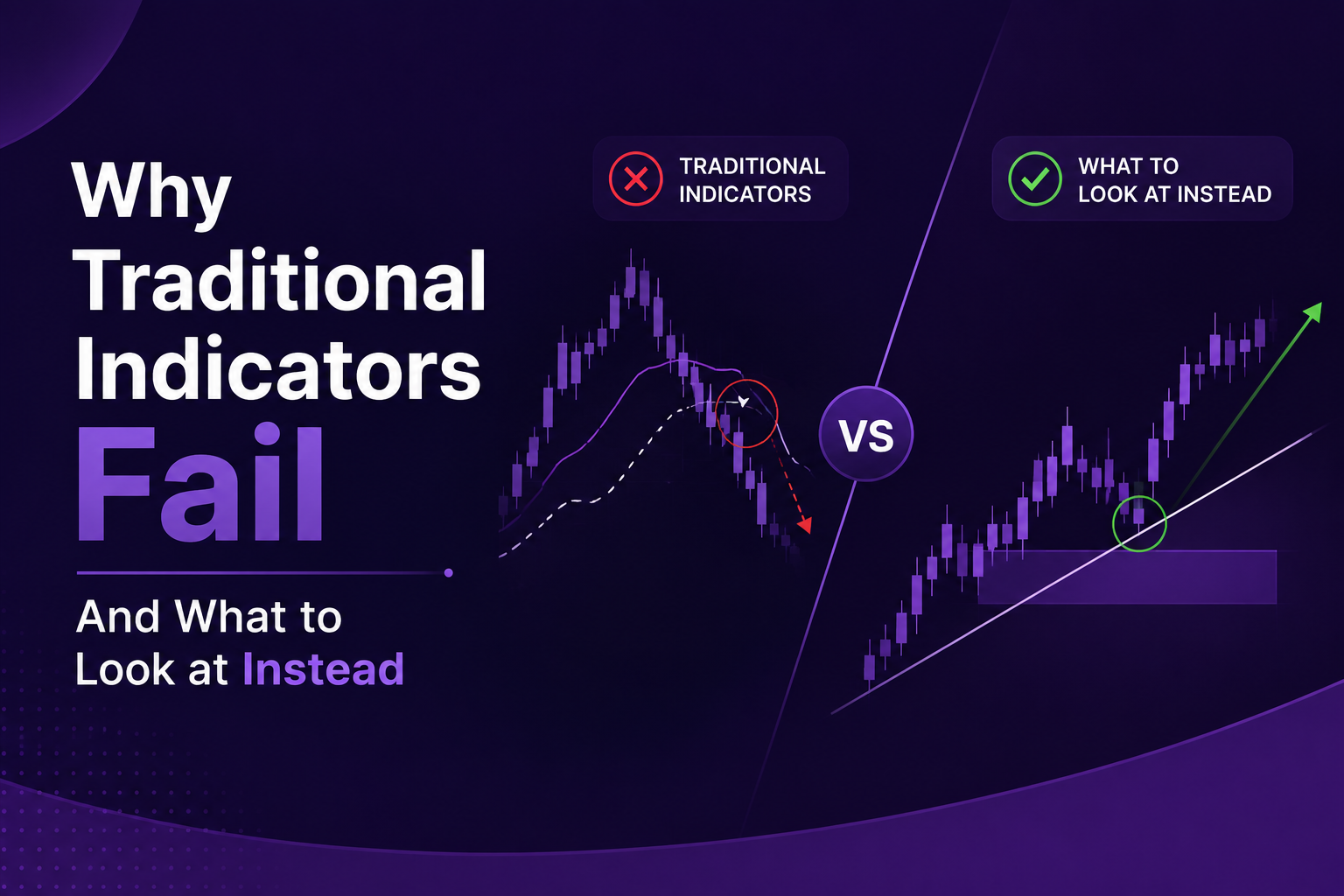
Avoid Depending Completely on Indicators
Indicators serve as helpers, not crystal balls.
Many beginners think that indicators by themselves can promise winning trades. That view sets up false hopes.
Good technical analysis always mixes:
- Market structure
- Trend understanding
- Price action
- Risk management
- Indicator confirmation
This produces well-rounded analysis.
Learn Risk Management Alongside Technical Analysis
Technical analysis points out chances, but risk management keeps your money safe.
No setup succeeds every single time. That is why traders have to master:
- Stop-loss discipline
- Position sizing
- Risk-reward ratio
- Capital protection
Without risk management, even strong technical analysis loses its power.
Learn Technical Analysis for Free with Practical Understanding
Aceink, run by SEBI-registered stock market analyst Bharath Shankar, works to give traders real technical analysis skills through clear and organized lessons.
Instead of loading charts with extra indicators, the main effort goes toward showing traders how price movement, trend, support-resistance, and momentum behave in live market situations.
This hands-on method helps traders learn technical analysis for free with sharper insight and reduced mix-ups.
Why Aceink’s Free Webinar Helps Traders Learn Faster
Many traders have trouble because they absorb theory but never see how to use it in practice. Aceink’s free webinar for stock trading closes that difference.
The webinar covers:
- Simplified technical analysis concepts
- Practical chart-reading methods
- Real market examples
- Breakout strategy and pullback strategies
- Risk management discipline
- Structured stock market learning
This turns free technical analysis learning into something useful and easy for beginners.
What You Can Learn in Aceink’s Free Webinar
Aceink’s webinar, held every Sunday, supports traders as they develop firmer technical analysis skills through organized steps.
Participants discover:
- How to analyze charts confidently
- How to identify market trends
- How support and resistance work
- How to improve entry and exit decisions
- How disciplined traders approach the market
This allows beginners to pick up stock market trading in a practical and straightforward manner.
Common Mistakes to Avoid While Learning Technical Analysis
If you want quicker progress, stay away from these usual errors:
- Learning too many strategies together
- Taking trades without confirmation
- Ignoring risk management
- Depending completely on indicators
- Chasing shortcuts and quick profits
Technical analysis grows simpler when you use patience and clear steps.
Conclusion
The best way to learn technical analysis does not come from watching endless material. It comes from creating firm basics, reviewing charts on a regular basis, and gaining knowledge through organized practical study.
Most traders lose time because they hunt for fast answers instead of studying how markets behave in reality. Once you pay attention to market structure, price action, support and resistance, and steady execution, technical analysis grows much clearer.
Aceink supports traders in building this knowledge through its Sunday free webinar for stock trading, where real chart study, technical ideas, and disciplined trading methods are explained with live market insight by SEBI-registered stock market analyst Bharath Shankar.